Solutions for Failing Sewer Pipes
Sewer Line Replacement in Lubbock, TX
Discuss replacement options for your damaged sewer line. Get a Free Estimate
Solutions for Failing Sewer Pipes
Discuss replacement options for your damaged sewer line. Get a Free Estimate
Repeated backups, widespread deterioration, and serious structural damage can make sewer line replacement the more practical choice. Replacement removes or bypasses the failed piping and establishes a new route for wastewater to flow.
The decision should be based on the condition of the line, not simply its age. Some older pipes remain serviceable, while newer pipes can develop significant defects. Inspection findings help determine how much of the sewer line needs replacement and which installation method is appropriate.
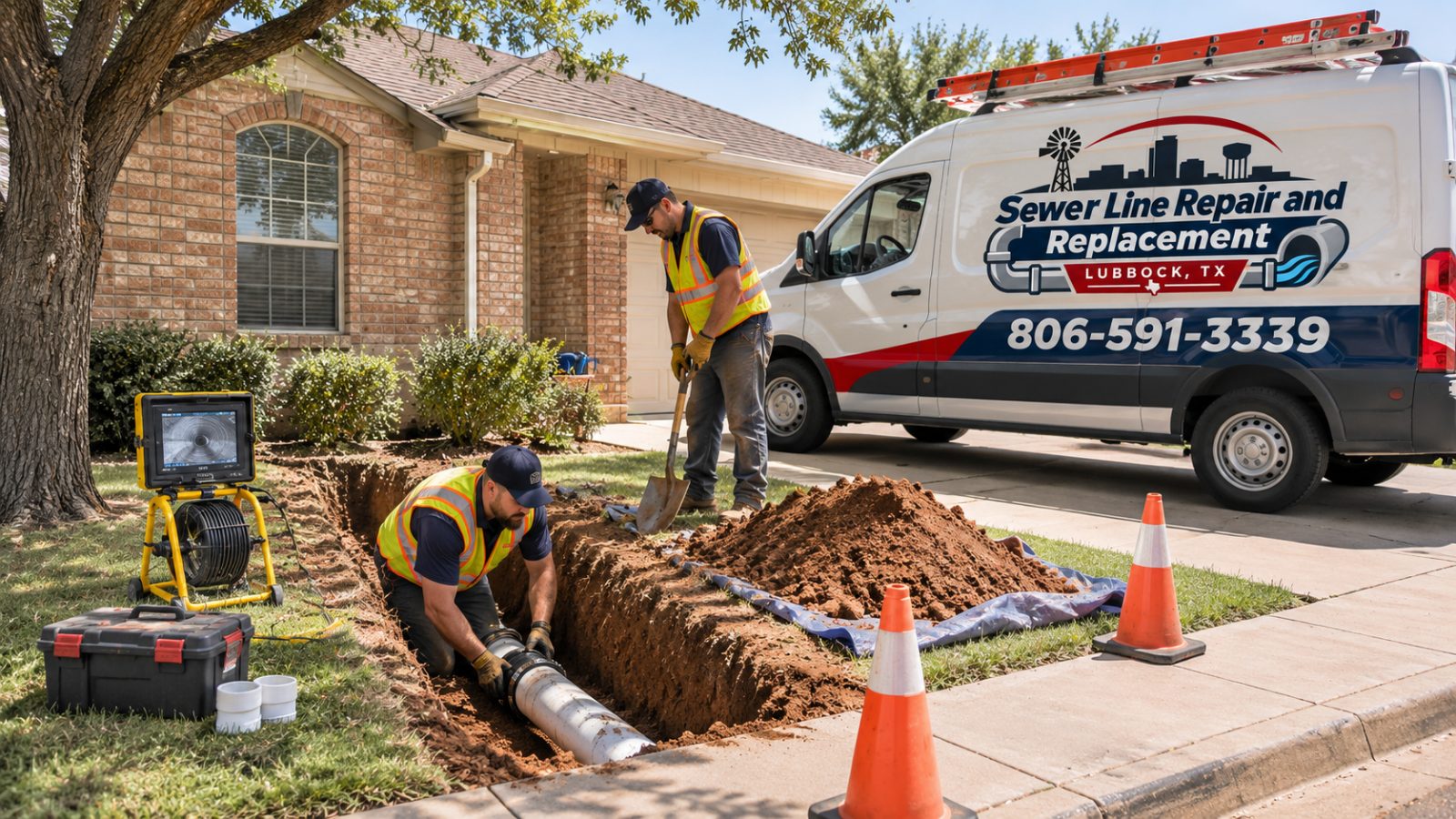
A replacement project involves more than installing new pipe. Proper alignment, drainage slope, access, utility coordination, and restoration all affect the work.
A collapsed pipe may prevent wastewater from passing through the line and can make ordinary drain cleaning ineffective. Depending on the location and extent of collapse, replacement may involve a specific section or a longer run. The existing pipe and surrounding conditions must be evaluated before the work is planned.
Some sewer systems develop multiple cracks, joint failures, or other defects over time. When damage is widespread, repeated spot repairs may not address the overall condition. Replacement can provide a new pipe system where the existing line is no longer dependable.
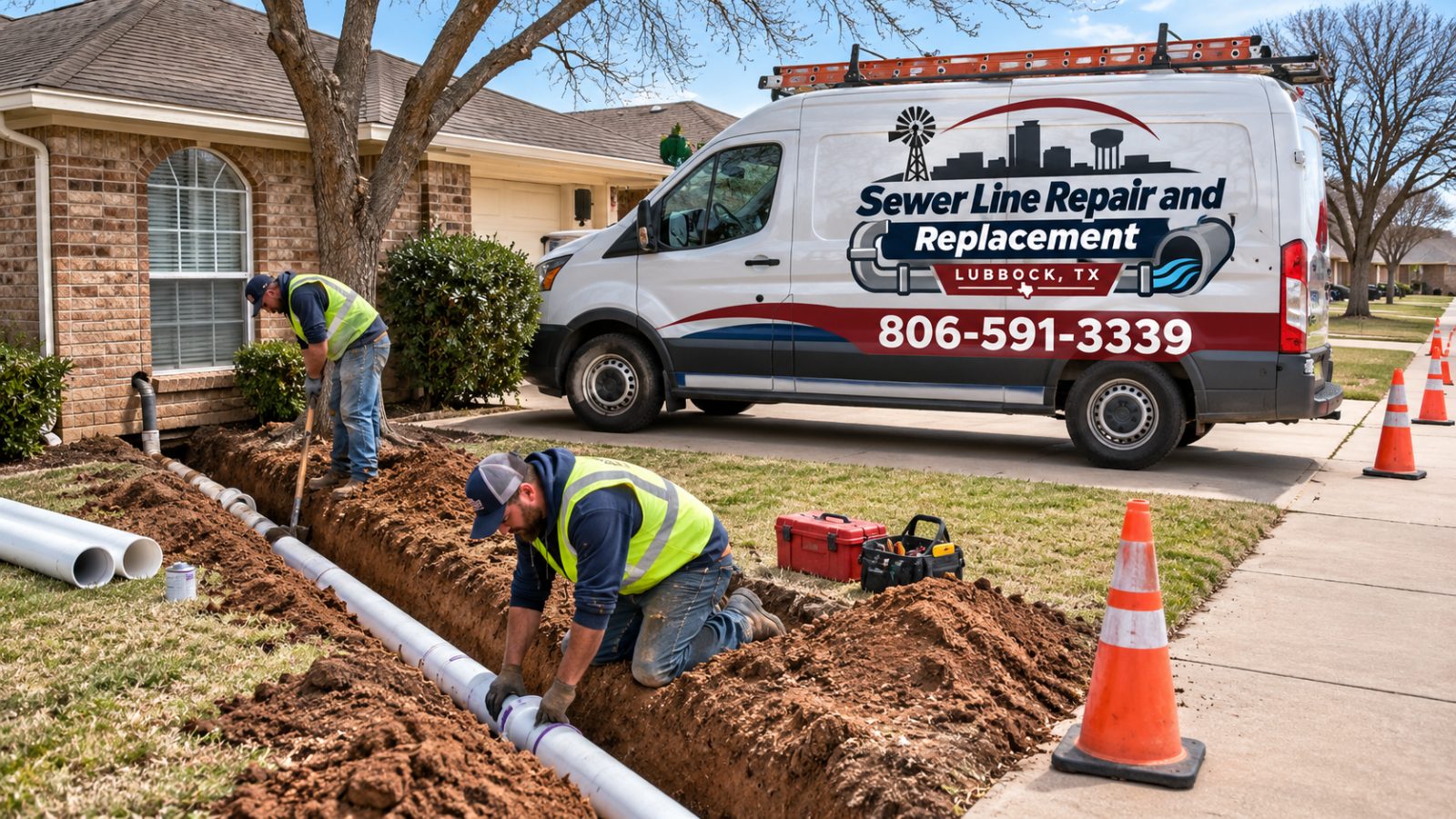
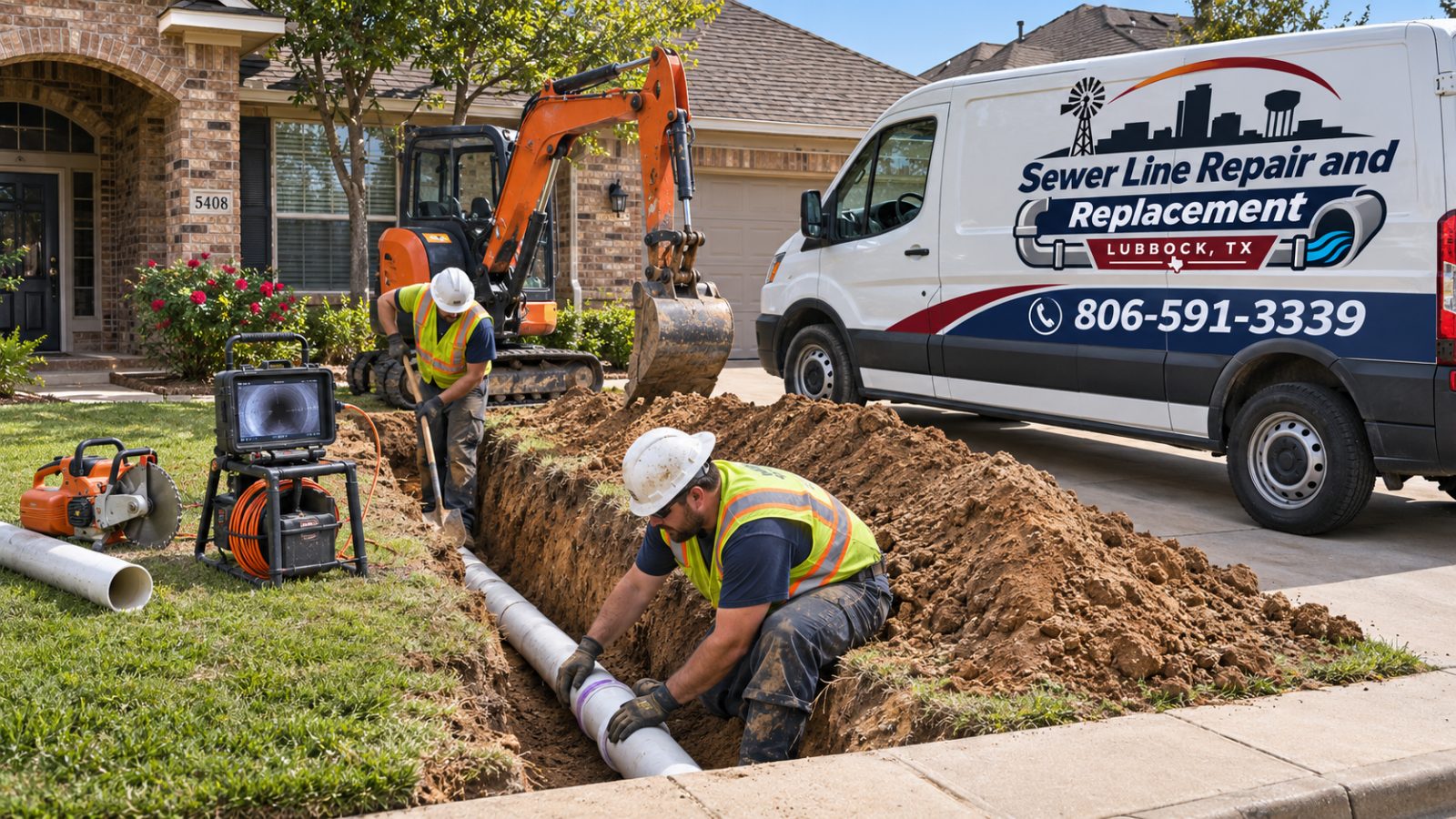
Conventional replacement involves excavating to reach the existing sewer pipe. It may be necessary when pipe alignment must be corrected, access is restricted, or trenchless methods are unsuitable. Excavation requirements depend on depth, location, and the features above the pipe.
Certain sewer lines may qualify for trenchless replacement using methods such as pipe bursting. This can reduce continuous surface excavation but generally still requires access pits. Nearby utilities, pipe material, and site conditions must be considered before selecting the method.
Sewer pipes sometimes run beneath driveways, patios, or landscaped areas. These features affect how the pipe can be accessed and replaced. Planning should identify the likely disturbance and any restoration requirements before work begins.
| Service | Estimated Cost | Average |
|---|
No pricing is provided. Replacement scope depends on pipe length, depth, material, access, installation method, and restoration requirements.
We believe replacement recommendations should follow an assessment of the existing pipe.
Traditional excavation and trenchless replacement each have limitations worth understanding.
Pipe alignment, slope, connections, and installation conditions matter as much as the replacement material.
If your sewer line keeps failing, request a discussion about replacement options in Lubbock.
Free — no obligations
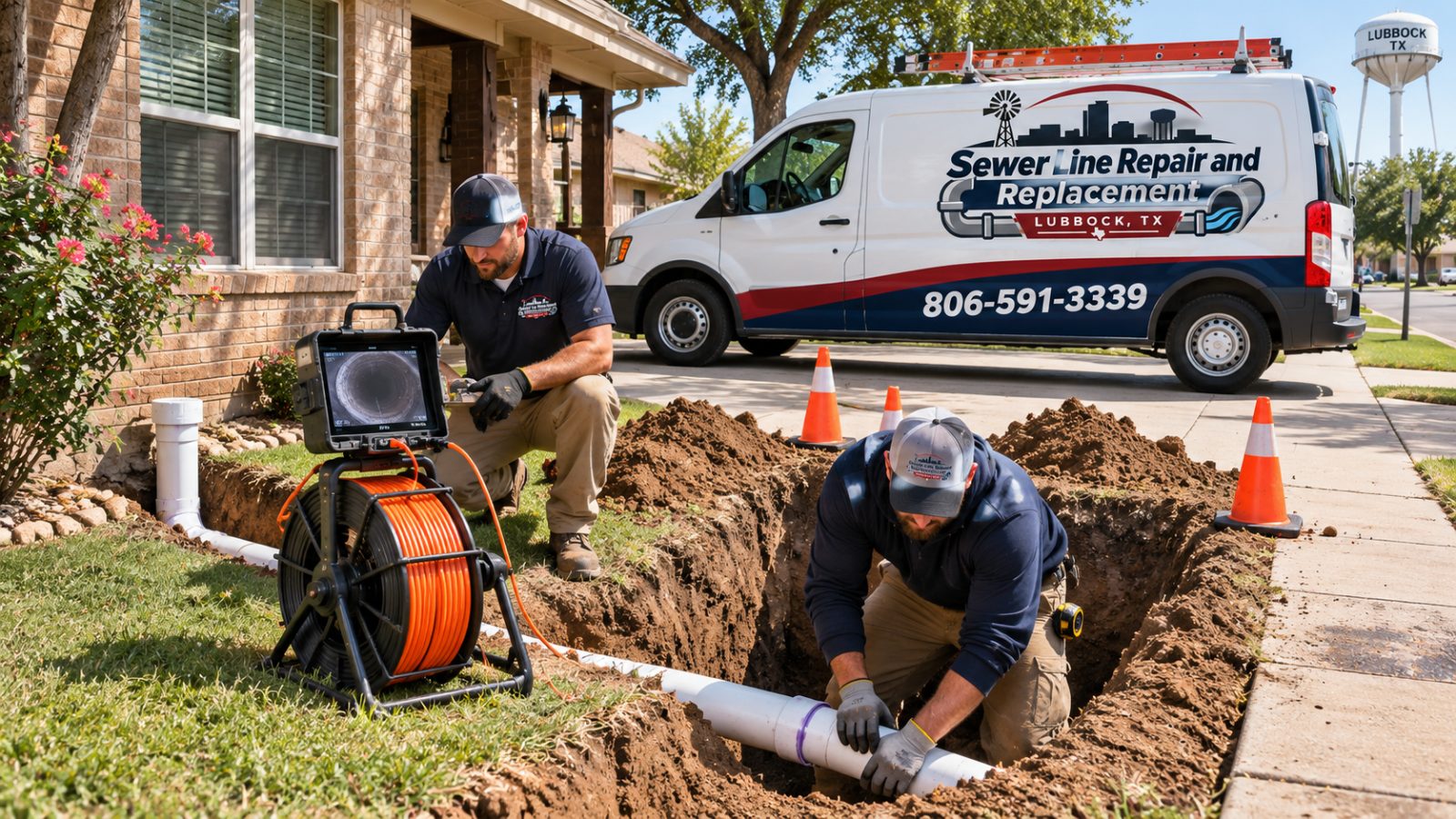
Review symptoms, inspection findings, and the extent of pipe deterioration.
Identify the sections that require replacement and assess surrounding pipe conditions.
Consider excavation, trenchless possibilities, site access, and utility locations.
Plan for appropriate connections, testing, and affected surface restoration.